
Orthognathic Jaw Surgery in Massachusetts
Restore Alignment. Relieve Pain. Reclaim Your Bite.
Surgical Jaw Correction for Function and Facial Balance
Orthognathic jaw surgery isn’t just an aesthetic upgrade; it can completely transform the way you eat, speak, breathe, and feel about yourself.
With jaw surgery in Massachusetts, Dr. Tim Osborn restores comfort and alignment to your jaw, balancing your features for a more refined profile.
Dr. Osborn approaches every procedure with artistic precision and a collaborative care model. During your consultation, he’ll assess your jaw’s functionality, your bite alignment, and your desired outcome. With 3D imaging, honest guidance, and ongoing care, he creates stunning results that support both the medical needs and aesthetic goals of patients in Boston and beyond.
Explore Real Patient Results from Corrective Jaw Surgery
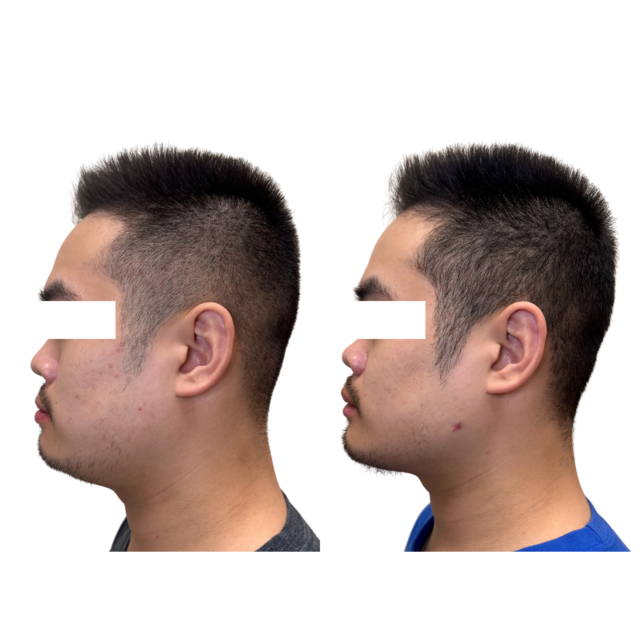
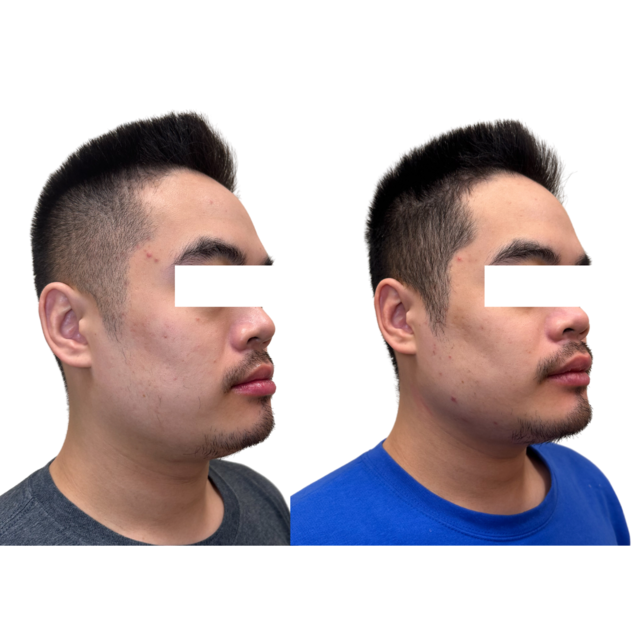
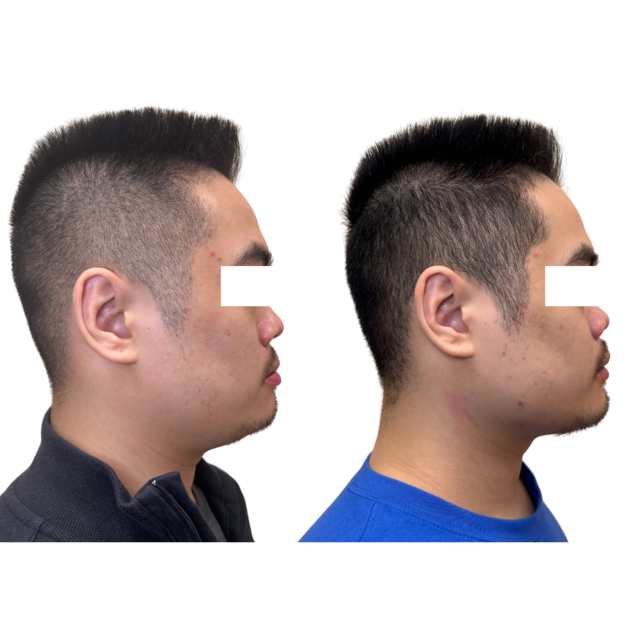
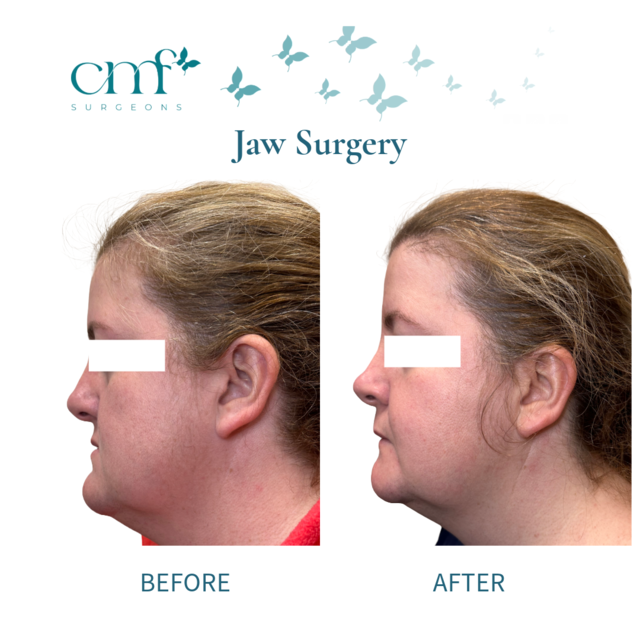
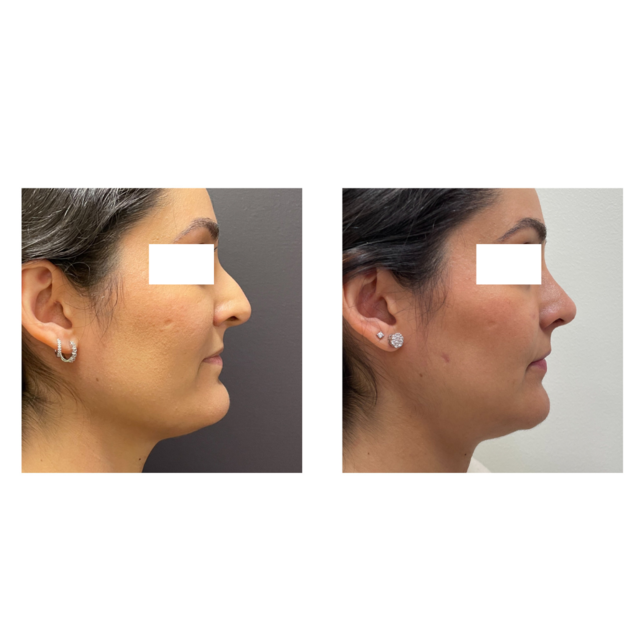
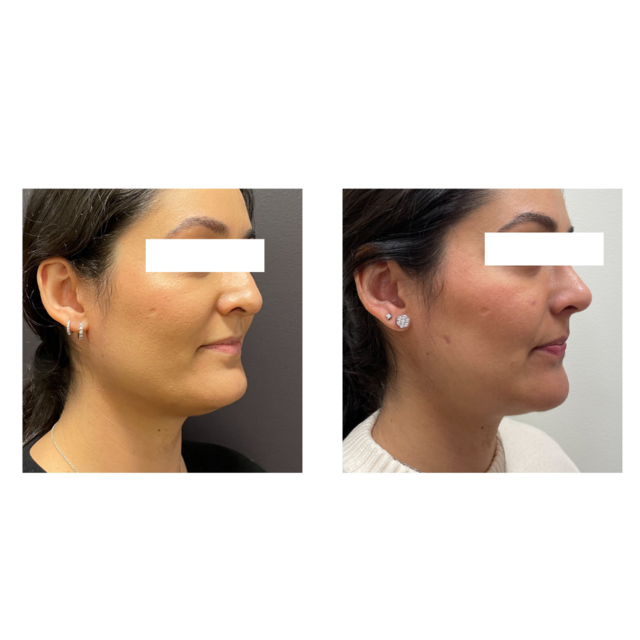
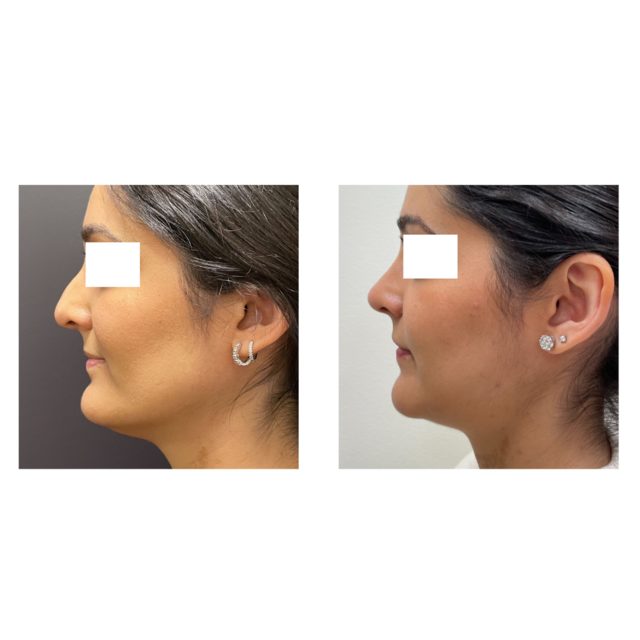
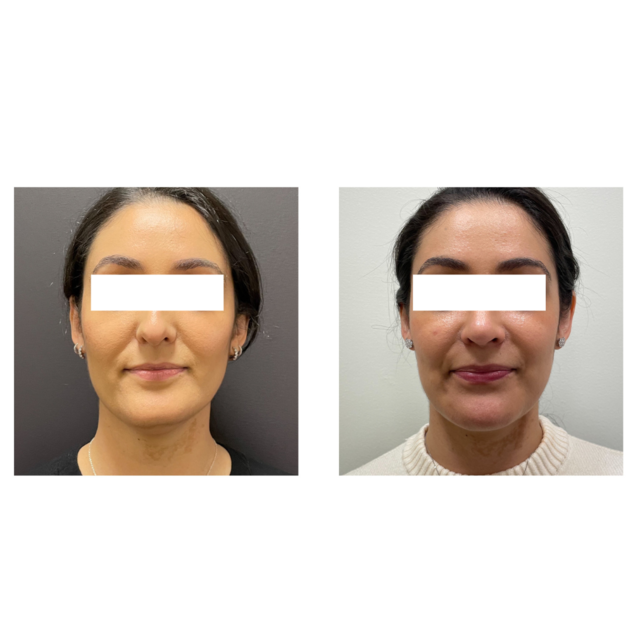
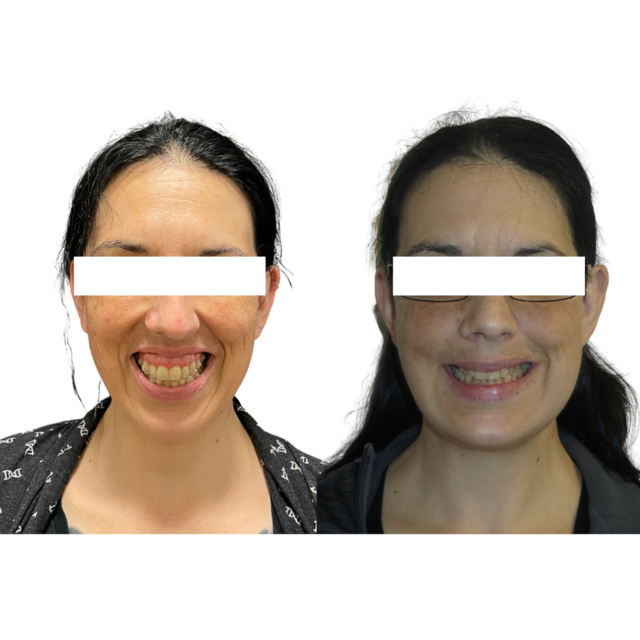
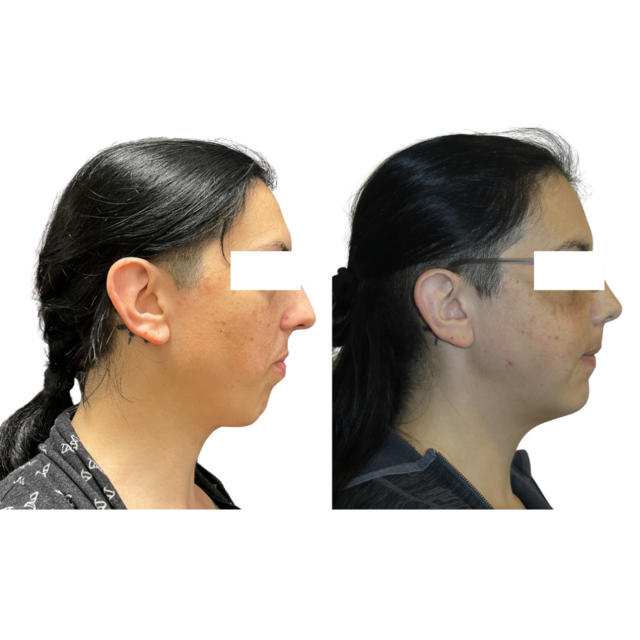
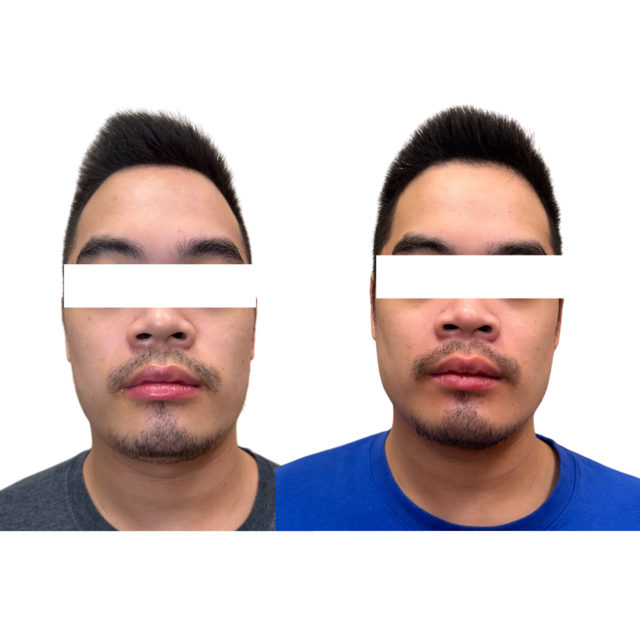
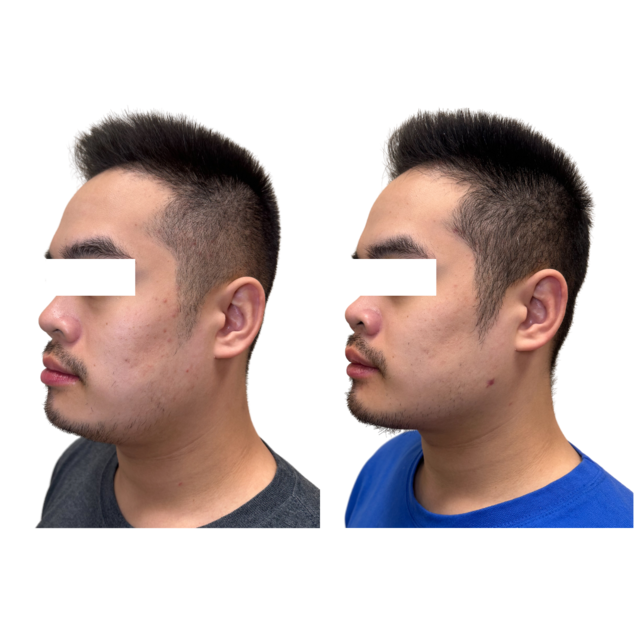
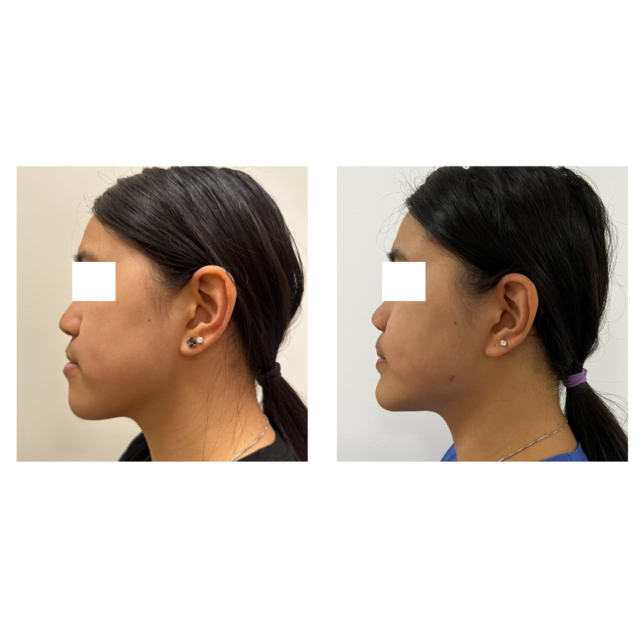
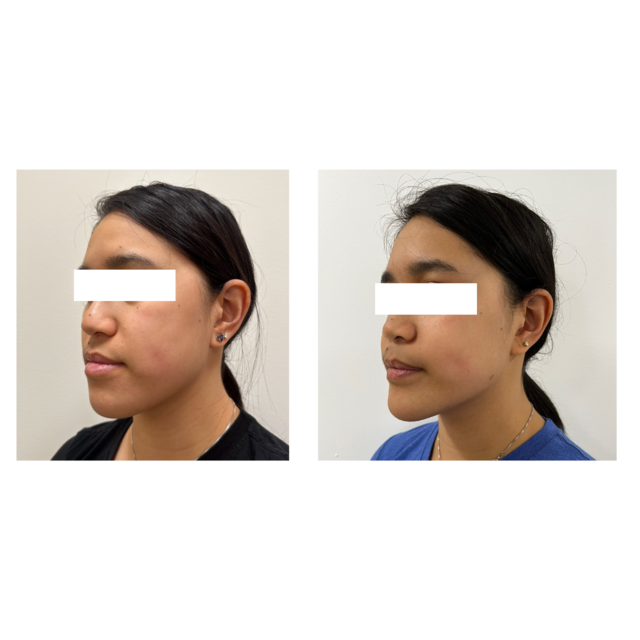
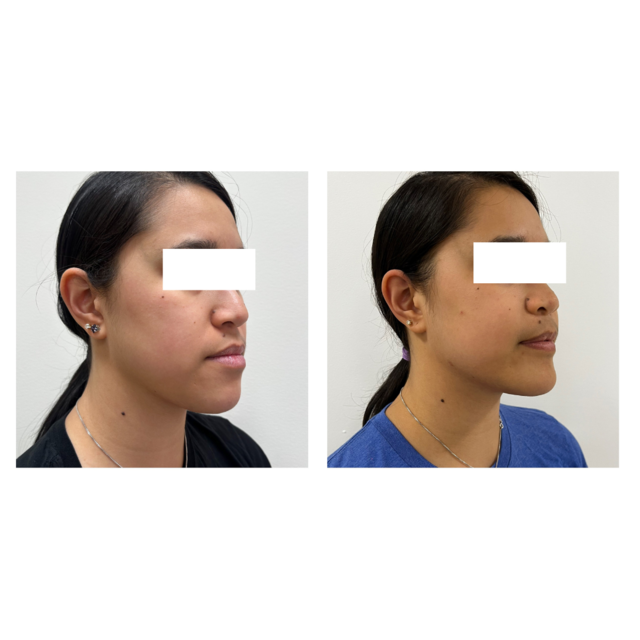
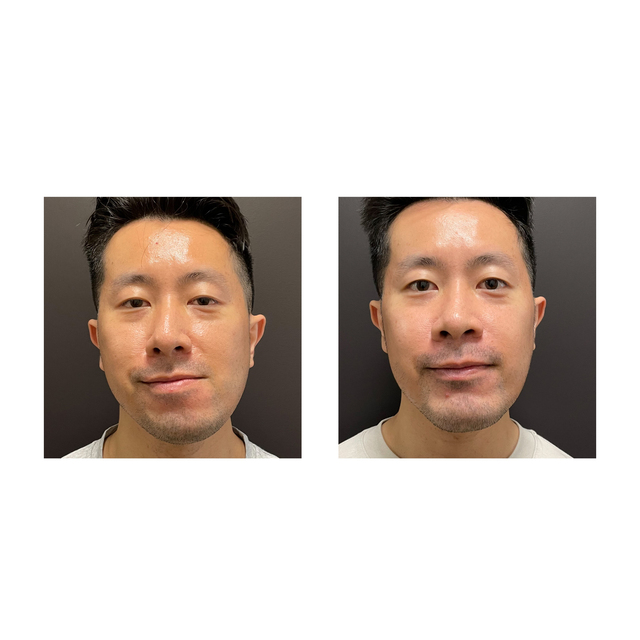
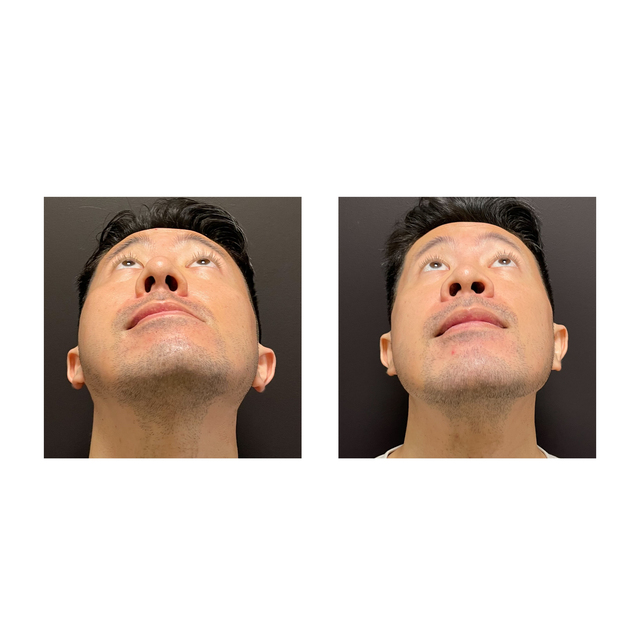
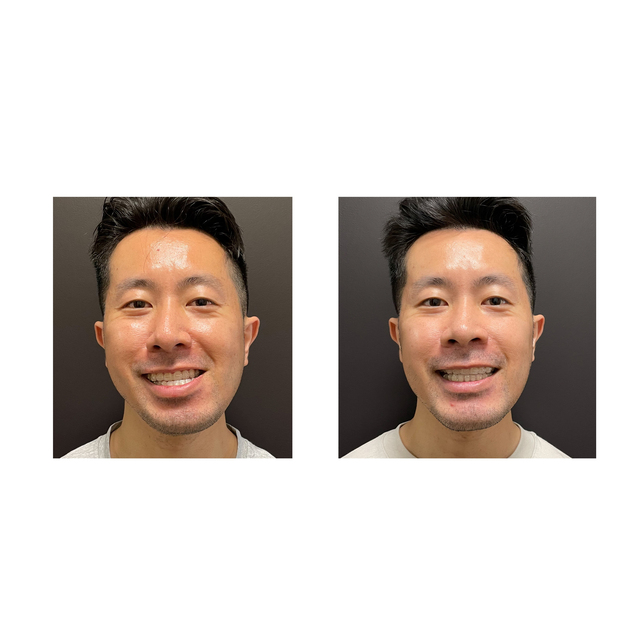
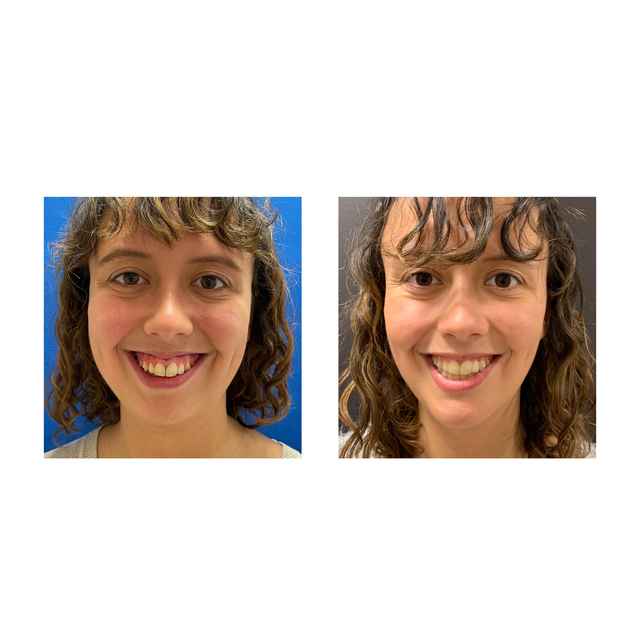
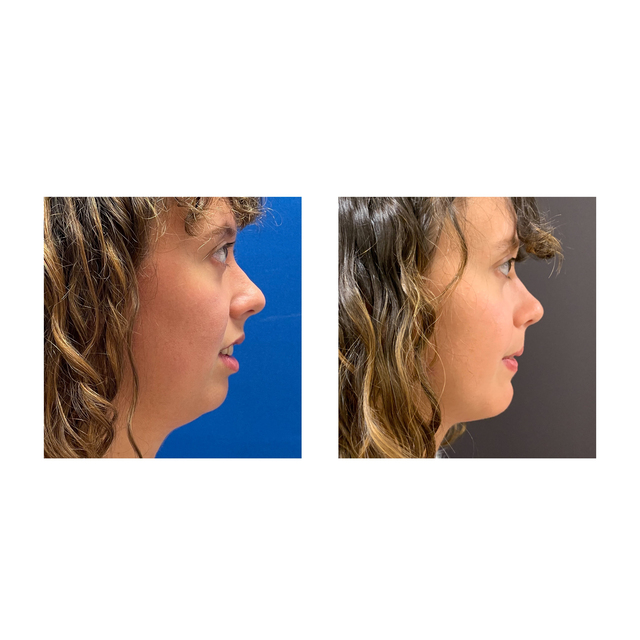
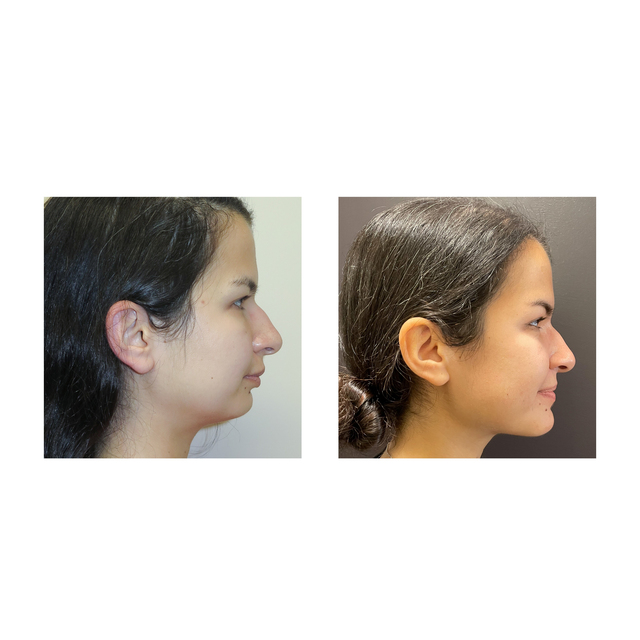
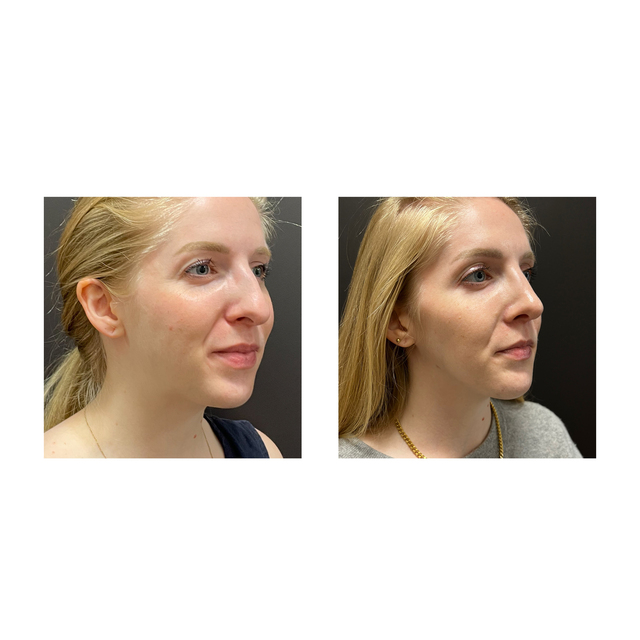
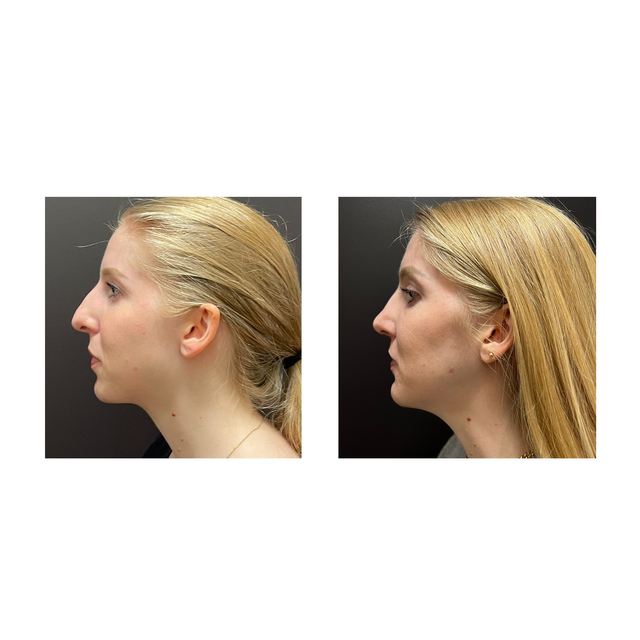
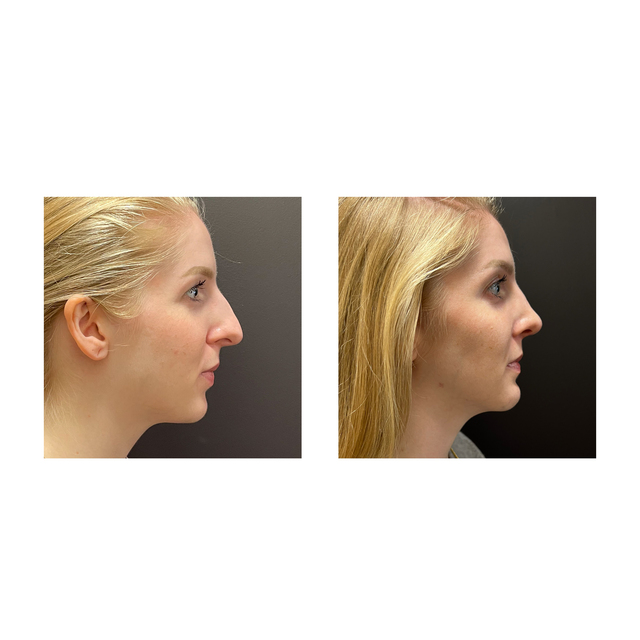
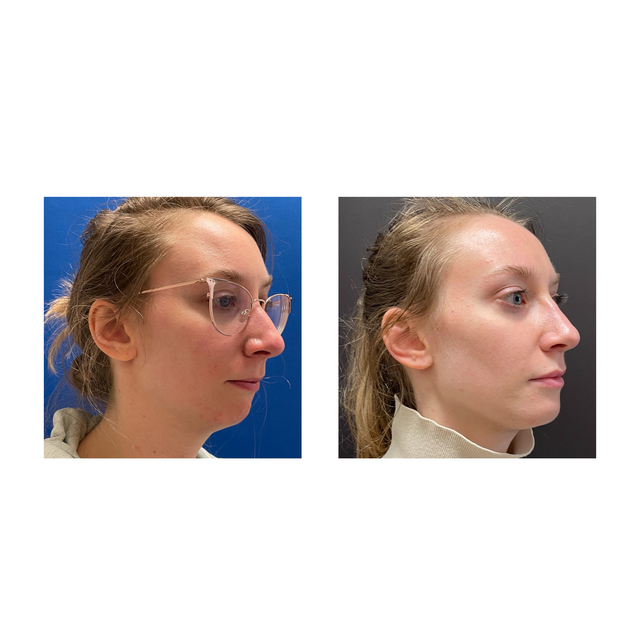
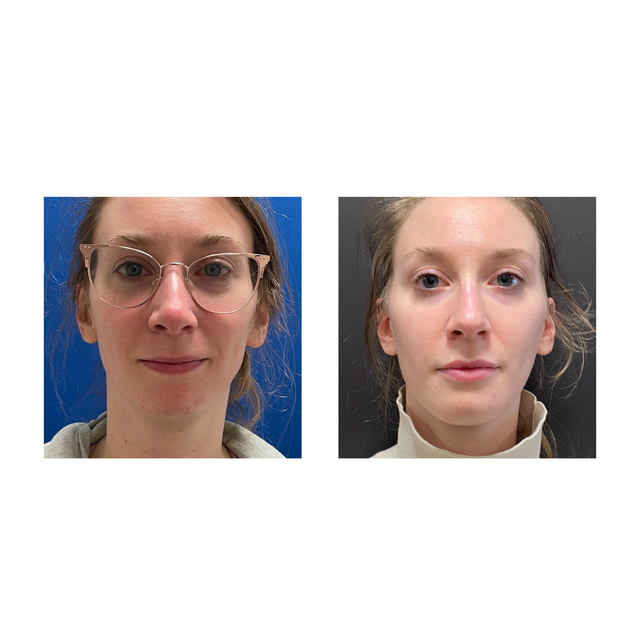
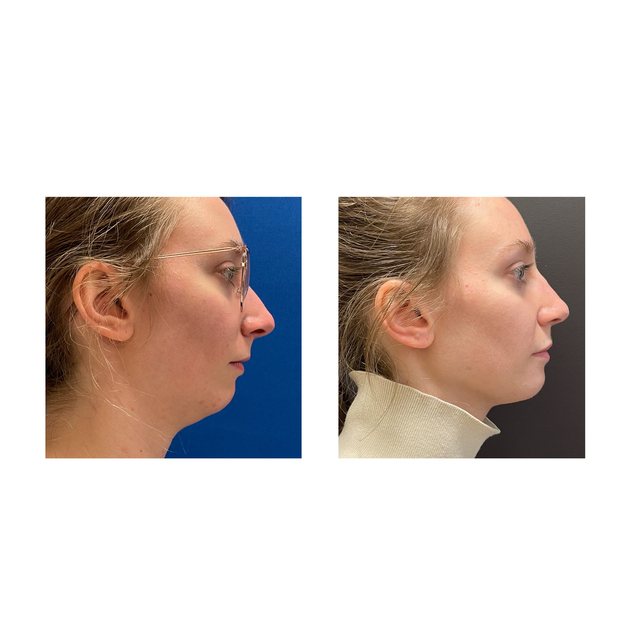
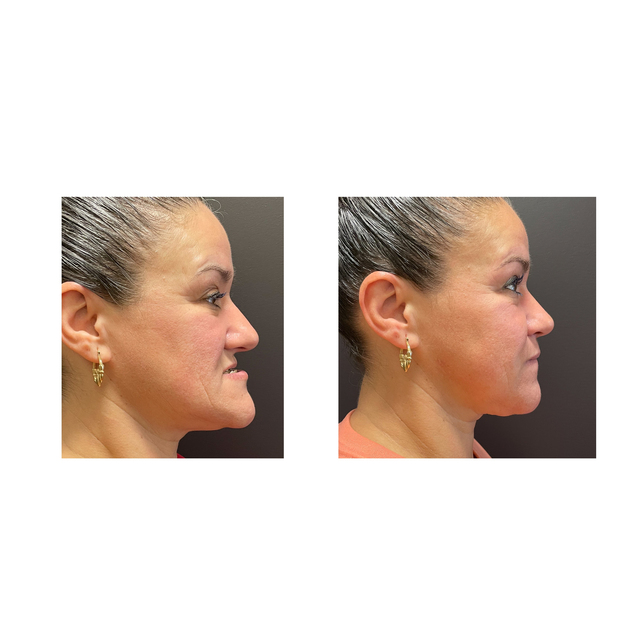
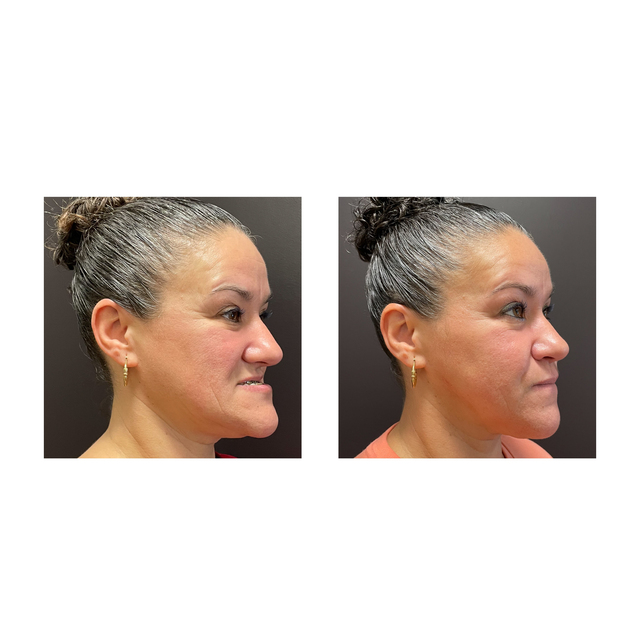
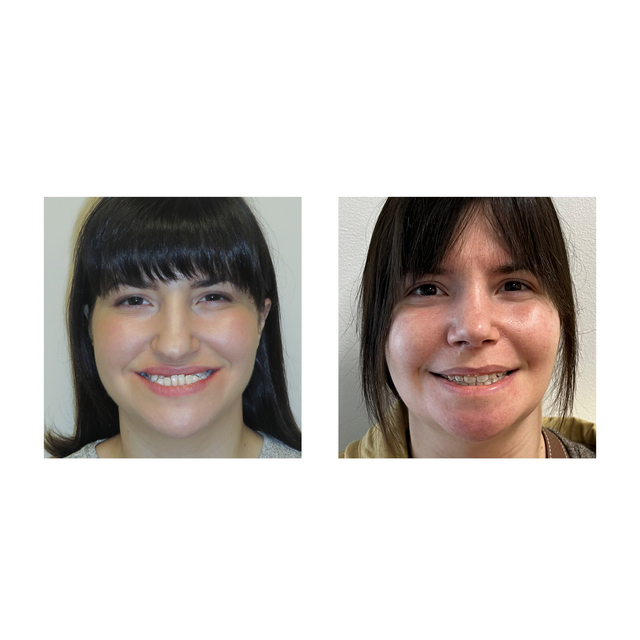
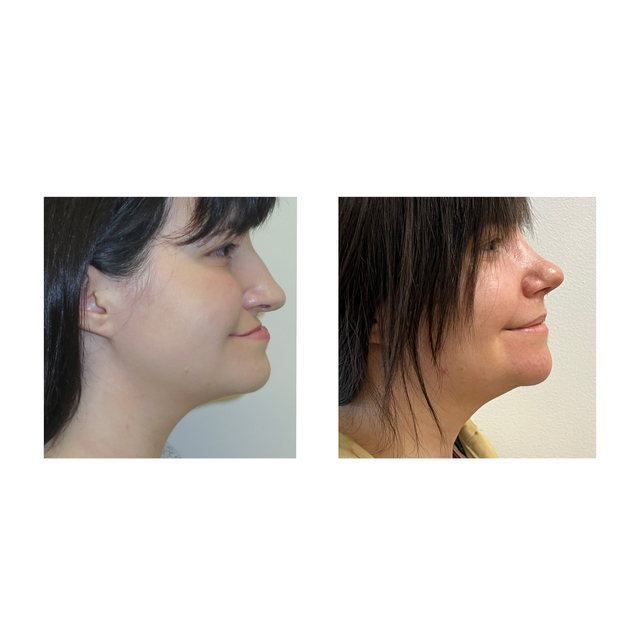
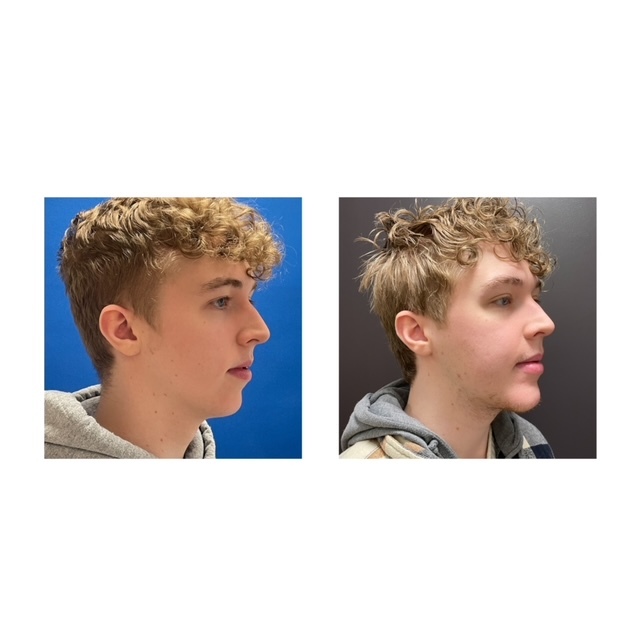
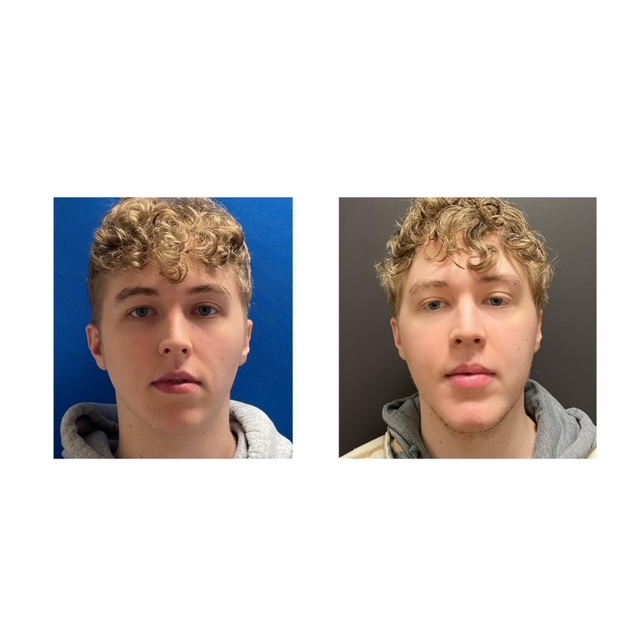
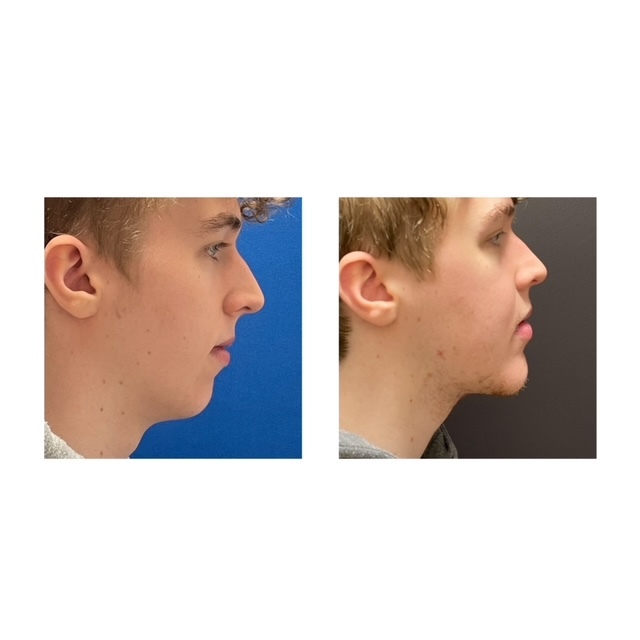
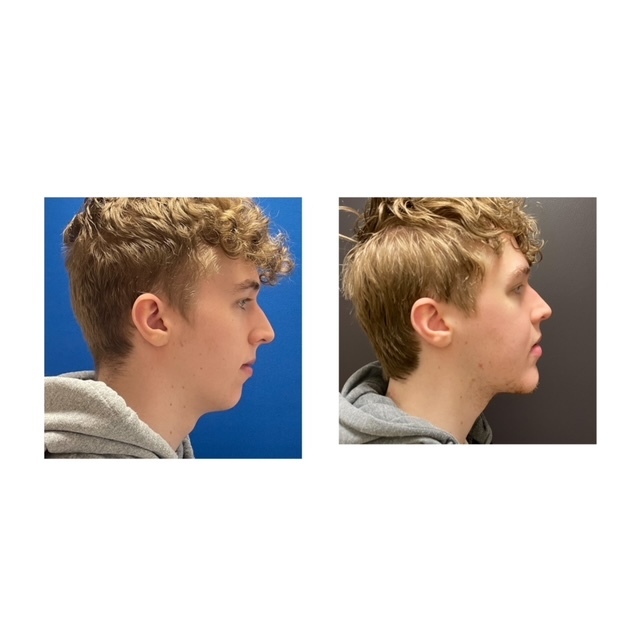
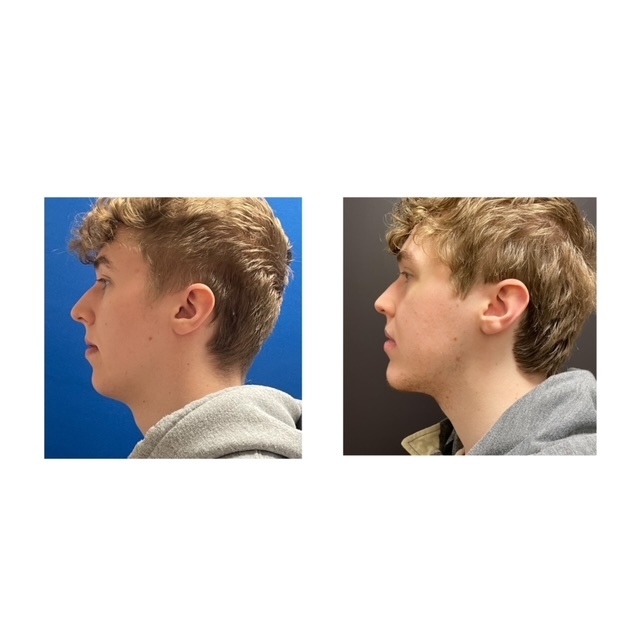
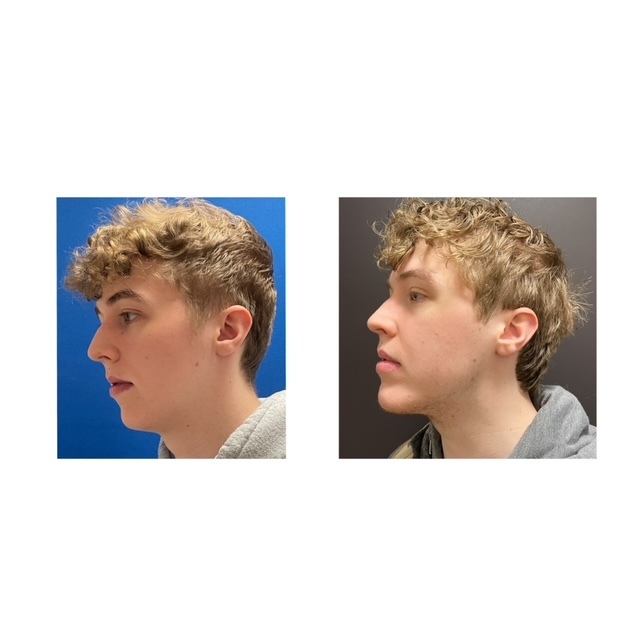
Types of Orthognathic Surgery We Perform at CMF
Your face is completely unique, and your jaw surgery with Dr. Osborn will reflect that. He performs several types of orthognathic surgery, often combining procedures to achieve functional correction and facial harmony.
Upper Jaw Surgery
When the upper jaw is too far forward, back, or tilted, it can disrupt your bite and smile. This procedure repositions the upper jaw for a more balanced midface, helping your teeth align and your features look more symmetrical.
Lower Jaw Surgery
When the lower jaw is misaligned (too far out or too far in), it can impact your bite and facial balance. Dr. Osborn adjusts the position of the lower jaw to improve function and bring a natural sense of proportion to your face.
Genioplasty (Chin Repositioning)
A genioplasty refines your chin using your own bone, not implants. Whether your chin feels too small, long, or off-center, genioplasty brings it into better harmony with your facial features.
Bimaxillary Surgery (Two-Jaw Procedures)
Some patients need adjustments to both the upper and lower jaw for the best results. Bimaxillary surgery corrects alignment at every level, transforming not only how your face looks but how your jaw functions to make eating, breathing, and speaking easier.
Serving Patients From Massachusetts and Across the Region
We welcome patients from Boston, Cambridge, Worcester, and communities throughout Massachusetts seeking personalized orthognathic care.
- Arlington
- Boston
- Belmont
- Burlington
- Cambridge
- Chelsea
- Everett
- Lexington
- Malden
- Medford
- Melrose
- Newton
- Revere
- Somerville
- Stoneham
- Wakefield
- Winchester
- Woburn
Who’s a Candidate for Corrective Jaw Surgery?
Corrective orthognathic surgery can be life-changing if your jaw position negatively affects your bite, breathing, or appearance. You may be a strong candidate if:
- Your upper and lower teeth don’t align properly, even after orthodontic treatment
- You have a noticeable overbite, underbite, or open bite
- Your chin feels too recessed, too prominent, or asymmetrical
- You struggle with biting, chewing, or swallowing food
- You experience jaw pain, TMJ symptoms, or difficulty breathing through your nose
- Your facial features feel out of balance due to jaw positioning
- You’ve stopped growing and have been told your bite issues won’t improve on their own
- You are seeking a jawline more aligned with your identity as part of your FFS journey
- You have experienced a fracture or injury to the jaw and require facial trauma repair
During your consultation Dr. Osborn will evaluate your candidacy for jaw surgery and may also suggest additional or alternative procedures such as chin augmentation, submental liposuction, or a facelift, depending on your goals.
“I mean it when I say Dr. Osborn has literally changed my life.” — What Our Patients Are Saying

From Recovery to Results: Your Orthognathic Surgery Experience
While healing from jaw surgery takes time, every stage brings you closer to comfort, balance, and long-term results. Dr. Osborn will be with you every step, offering personalized guidance and support as you recover.
Here’s what you can expect in the weeks and months following your procedure:
- Week 1: Swelling, bruising, and soreness are normal during this stage. Stick to a liquid or soft food diet, get plenty of rest, and follow your post-op care plan closely.
- Weeks 2–3: You’ll notice a decrease in swelling and stiffness. Light activity is usually fine, but it’s best to avoid anything strenuous or high-impact.
- 1 Month: Early improvements in facial balance and bite alignment will start to become noticeable. Continue eating soft foods, and you may gradually return to work or school if cleared.
- 3–6 Months: Swelling continues to fade, and sensation slowly returns. Your jaw will look more natural each day as the bone continues to heal and settle.
- 1 Year: Final results are visible as bones fully heal. Dr. Osborn will check in to ensure you’re happy with the function and appearance of your results.
Frequently Asked Questions About Jaw Surgery
What’s the difference between jaw surgery and orthodontics?
Orthodontics moves the teeth into better alignment using braces or clear aligners, but cannot reposition the jaw itself. Jaw surgery physically shifts the bones of the upper, lower, or both jaws to correct bite issues and improve your facial aesthetic. With most orthognathic surgery, we work in concert with your orthodontist to help align teeth so the bite and jaws can be in the ideal spot.
What’s the typical age for orthognathic surgery?
Most people get jaw surgery in their late teens or early adulthood, once facial growth is complete. This typically occurs between the ages of 17 and 21, but surgery can also be safely performed later in life. There are no age limits to looking and feeling your best.
How soon can I eat or talk after jaw surgery?
You’ll be able to speak right away, though your mouth may feel sore or stiff at first. Most patients start with a liquid or soft diet and gradually transition to normal foods over several weeks.
How do I know if I need jaw surgery, or can a procedure like a genioplasty achieve my goals?
The best way to know is to start your journey with Dr. Osborn and CMF, or speak with an orthodontist experienced in orthognathic surgery. Not every orthodontist works on surgical cases, and like most specialized procedures, you want a team that regularly treats surgical patients.
You can also do a quick self-check: if your bite feels aligned, centered, and balanced but your face looks asymmetric, you don’t show all your teeth when you smile, or your face seems too long or too short, jaw surgery might help. If your bite doesn’t line up or feels off balance, that’s another sign it’s worth getting evaluated.
Is orthognathic surgery covered by insurance?
Many insurance plans cover orthognathic surgery if it’s deemed medically necessary to resolve sleep apnea, TMJ dysfunction, or severe bite misalignment. Our team will verify your benefits and provide any required documentation.
Other Facial, Chin & Jawline Procedures We Offer
Start Your Journey Toward Alignment: Schedule a Consultation Today
Reclaim your comfort and confidence with personalized jaw surgery in Massachusetts. With expertise in orthognathic surgery and a commitment to your unique identity, Dr. Tim Osborn creates results that look like you, only more aligned.